
Former St Andrews Church
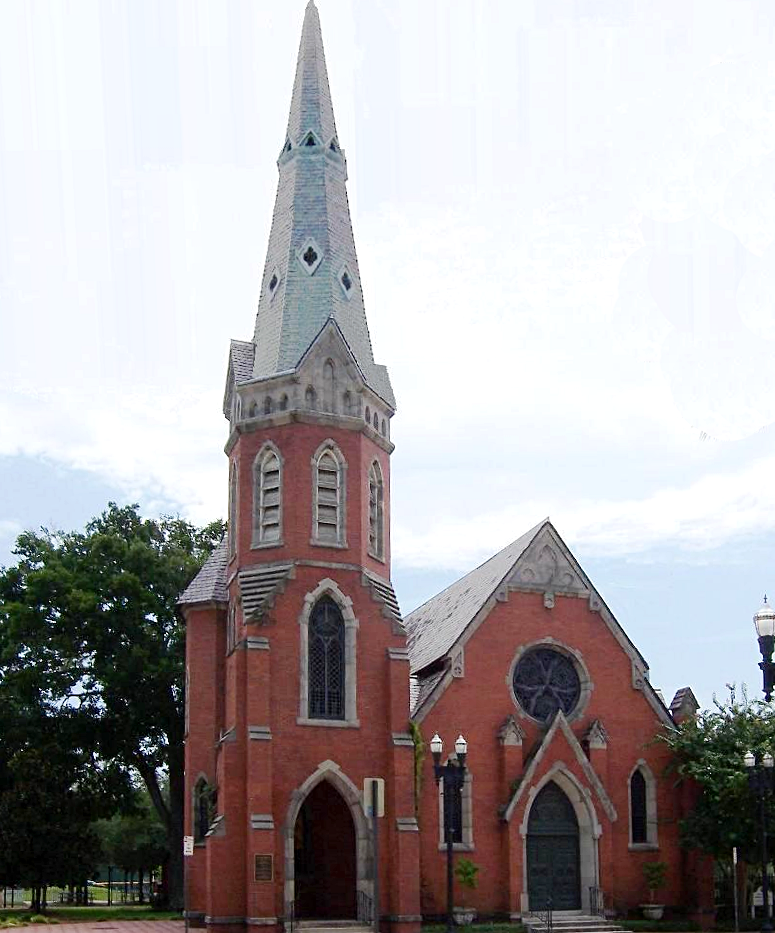
Nestled in the heart of Parramatta, the former St Andrews Church stands as a significant landmark in the history of the Catholic Church in Australia, reflecting the growth and resilience of Catholic worship since the early colonial period. As one of the earliest places of Catholic worship in the country, its origins trace back to a time when religious practice was tightly regulated and the Catholic community faced considerable challenges. The site symbolises not only the enduring presence of Catholicism in Australian society but also the evolving identity of a church that has adapted through generations, from its humble beginnings to the establishment of vibrant parish life in Western Sydney.

2 Phillip St, Parramatta NSW 2150, Australia
Located in the heart of Parramatta at 2 Phillip St, NSW 2150, the Former St Andrews Church presents a unique opportunity for adaptive reuse development, blending historical significance with prime urban potential. Its prominent position near transport hubs, civic amenities, and growing commercial activity underscores its strategic value for investors or developers seeking to capitalise on Parramatta’s rapid transformation. The site benefits from heritage character that, when thoughtfully integrated, can lend distinction and cultural depth to any redevelopment, while its zoning flexibility opens pathways for mixed-use, residential, or boutique commercial ventures. With strong community recognition and architectural presence, this asset stands as a rare convergence of location, legacy, and opportunity.
More information
What is the historical significance of the Former St Andrews Church in Parramatta?
The Former St Andrews Church at 2 Phillip St, Parramatta holds considerable historical importance as one of the earliest Catholic Church foundations in Australia, reflecting the growth of the Catholic community during the 19th century. Originally established to serve a growing population of Irish immigrants, the site embodies the resilience and faith of early Catholic settlers in colonial New South Wales. Its architecture and continued preservation highlight the enduring legacy of religious heritage within Australia’s broader cultural narrative.
Why was the Former St Andrews Church decommissioned as a place of worship?
The Former St Andrews Church was decommissioned due to a combination of structural concerns, declining congregation numbers, and the need for modern facilities to accommodate the evolving parish community. As the Catholic population in Parramatta expanded and shifted, newer churches with greater capacity and accessibility were prioritised, leading to the transition of this historic site into a cultural and heritage landmark. Its closure as an active church underscores the changing dynamics of urban religious life in Australia.
How is the Former St Andrews Church connected to the Catholic Church in Australia today?
Although no longer an active place of worship, the Former St Andrews Church remains symbolically linked to the Catholic Archdiocese of Sydney and serves as a reminder of the Church’s deep roots in Australian society. It is often referenced in diocesan histories and commemorated during heritage events that celebrate the contributions of early Catholic missionaries and lay communities. The site continues to inspire reflection on the journey of the Catholic faith across the nation.
Can the public visit the Former St Andrews Church site in Parramatta?
Yes, the site at 2 Phillip St, Parramatta is accessible to the public, particularly during heritage festivals or scheduled historical tours that highlight its architectural and religious significance. While the building is no longer used for regular Mass, it is maintained as part of Australia’s ecclesiastical heritage, with interpretive signage and occasional exhibitions detailing its role in the development of the Catholic community in New South Wales.
What architectural style characterises the Former St Andrews Church?
The Former St Andrews Church is a fine example of Victorian Gothic Revival architecture, featuring pointed arches, stained glass windows, and a modest spire typical of 19th-century Catholic ecclesiastical design in Australia. Built with locally sourced materials, its craftsmanship reflects the dedication of early congregational artisans and the desire to create a sacred space amid a developing colony. This architectural style not only served aesthetic purposes but also conveyed the spiritual aspirations of the fledgling Catholic community.